
From Field to Market: A Guide to Starting an Organic Fertilizer Business
What is an Organic Fertilizer Business?
An organic fertilizer business refers to commercial activities that use organic waste such as livestock and poultry manure, crop straw, and kitchen waste as raw materials, and produce and sell commercial organic fertilizer through microbial fermentation and industrial processing. It lies between the agricultural circular economy and the environmental protection industry, solving waste disposal problems while meeting the continuous demand for soil improvement products in green agriculture.
Raw Material Supply Chain Stability Assessment
The foundation of an organic fertilizer business lies not in the factory but in the raw materials. According to industry process data, approximately 2.5 to 3 tons of fresh livestock and poultry manure (calculated at 70% moisture content) are needed to produce 1 ton of finished organic fertilizer. Before starting, three questions must be answered: Are there stable farms or food processing plants within a 30-kilometer radius? Does the raw material have an exclusive purchase agreement? Are transportation costs controlled within 15% of the total cost? It is recommended to start with a single type of raw material—for example, focusing on cow manure or mushroom residue—to reduce the variable complexity of the fermentation process. Securing stable supply agreements is crucial before considering equipment investment, rather than the reverse.
Fermentation Process and Equipment Configuration
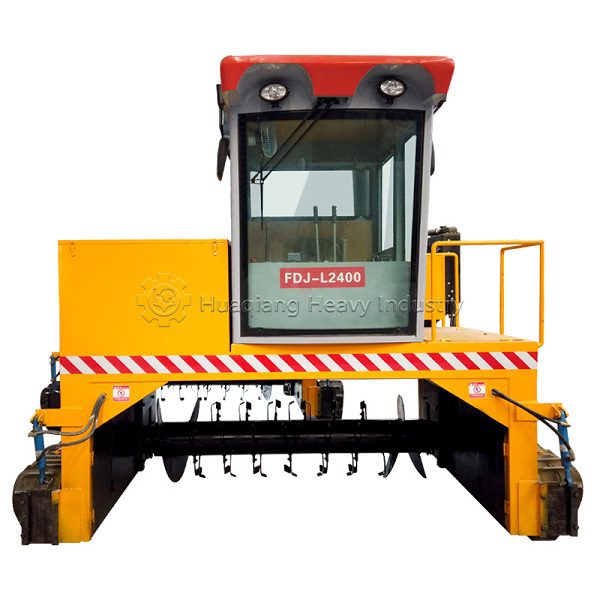
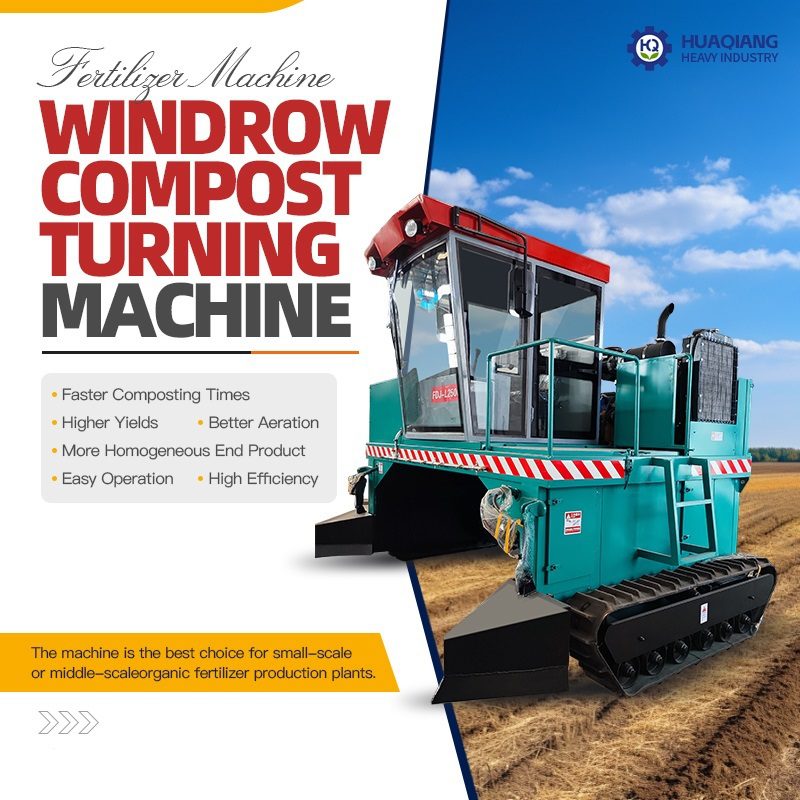
This is the core factor determining product quality and production costs. Windlass composting is the lowest-barrier start-up option, requiring only a turner and a loader, suitable for initial scales with an annual output of less than 5,000 tons; however, the fermentation cycle is long, lasting 40 to 60 days, and is significantly affected by weather. When the target output reaches 3 to 5 tons per hour, trough fermentation systems become the industry standard configuration—through forced ventilation and regular turning, the fermentation cycle can be reduced to 15 to 20 days, and the floor space required is reduced by about 40%. More advanced drum fermentation reactors, although more expensive per unit, can shorten the fermentation time to 7 to 10 days and are fully enclosed and deodorized, suitable for sites near residential areas or markets with stringent environmental requirements.
III. Compliance Pathways for Licensing and Certification
The organic fertilizer business is not simple processing, but rather the operation of regulated agricultural inputs. From startup to legal sales, the following approvals are typically required in sequence: environmental impact assessment approval (with a focus on waste gas and leachate treatment plans), fertilizer registration certificate (issued by the provincial agricultural and rural affairs department, requiring three consecutive batches of test reports), and organic certification for export or high-end markets. The fertilizer registration certificate has the longest preparation period—usually four to six months from sample submission to approval. It is recommended to start the pilot fermentation and testing process before purchasing equipment, allowing certificate preparation and factory construction to proceed in parallel.
Physical Breakdown of Startup Capital: A complete organic fertilizer production line with an annual output of 5,000 to 10,000 tons mainly requires the following equipment investment: crusher (raw material pretreatment), batching and mixing system, turning or fermentation tank, crushing and screening unit, granulation and drying system (if granular products are required), and automatic packaging scale. The fermentation and granulation/drying stages together account for more than 60% of the total investment. Ancillary expenses include: a steel structure factory with a hardened floor, a leak-proof raw material storage yard, and an odor-removing sprinkler system—these three items are often underestimated by first-time entrepreneurs during environmental inspections.
Profit Model and Risk Boundaries The gross profit margin in the organic fertilizer business primarily comes from two ends: low-cost acquisition of raw materials (even with government or livestock farm processing subsidies) and high-value sales to cash crop growing areas. Risks are concentrated in batch spoilage due to fermentation failures and hidden quality risks such as excessive heavy metals. We recommend that initial investors start with an OEM (Original Equipment Manufacturer) model: leasing existing fermentation facilities to process manure for large-scale livestock farms and charging disposal fees, while simultaneously accumulating process parameters and customer resources, and then investing in their own granulation and packaging lines. This asset-light startup approach can reduce initial investment to less than 30% of the traditional model.
From Waste Stream to Revenue Stream
Launching a successful organic fertilizer enterprise demands more than capital—it requires strategic sequencing of raw material security, process mastery, and regulatory compliance before committing to fixed assets. For entrepreneurs testing market viability, a small scale organic fertilizer plant or compact organic fertilizer manufacturing unit offers a low-risk entry point, allowing process parameters and supply chains to stabilize before scaling. When expansion becomes justified, investing in a full-scale organic fertilizer manufacturing plant equipped with a complete organic fertilizer machine suite—from fermentation turners and crushers to a precision granulator machine for organic fertilizer—transforms waste disposal into a vertically integrated profit center. While organic fertilizer equipment price remains a critical budget variable, the asset-light OEM model recommended for initial phases can reduce upfront investment to less than 30% of traditional benchmarks. By prioritizing raw material exclusivity, fermentation cycle optimization, and phased equipment deployment, operators build not merely a production facility, but a resilient circular-economy platform that converts agricultural waste into soil-renewing value.
Our company (Huaqiang Heavy Industry) provides a full range of complete organic fertilizer equipment and one-stop services for factory construction and compliance, tailored to different scales of production needs, easily and steadily helping you expand into the organic fertilizer market.