
High-value Utilization Pathways for OPEFB
Oil palm empty fruit bunch (OPEFB), as a by-product of the palm oil industry, is being transformed from waste to high-value products through technological innovation. With over 100 million tons of OPEFB produced globally each year, its effective utilization not only addresses environmental issues but also creates new economic value, demonstrating significant potential particularly in functional component extraction and feed raw material development.
Functional Component Extraction Technology
OPEFB is rich in various bioactive functional components that can be converted into high-value-added products through advanced extraction technologies. Lignin extraction represents an important direction, with organic solvent extraction technology yielding lignin products with purity exceeding 90%. These extracts have wide-ranging industrial applications, serving as environmentally friendly adhesives, natural dyes, and feed additives, replacing traditional petroleum-based products.
Flavonoid and polyphenol compound extraction opens new pathways for the health industry. Through ultrasound-assisted extraction technology, operating at 200-300 watts for 30-60 minutes, these antioxidant active substances can be efficiently extracted from OPEFB. These extracts hold important application value in the health supplement and cosmetics industries, enabling the development of natural products with antioxidant and anti-inflammatory functions that meet growing consumer demand for healthy, natural ingredients.
Although functional component extraction technology has relatively small production capacity and higher costs, this field still holds important development prospects given the demands of high-end health supplement markets in Europe and America. With continuous optimization of extraction technologies and growing market demand, high-value-added utilization of OPEFB will gradually achieve scaled production.
Feed Raw Material Technology Innovation
Feed raw material development represents another important direction for OPEFB utilization. Through ammoniation and microbial fermentation treatment, OPEFB’s feed value can be effectively improved. Ammoniation treatment involves soaking raw materials in 5-10% ammonia solution, fermenting under sealed conditions for 7-10 days, significantly reducing lignin content from 18-22% to 8-10%. This process simultaneously increases protein content from initial 2-4% to 8-12%.
Addition of fermentation agents further optimizes feed quality. By adding beneficial microorganisms like yeast and lactic acid bacteria, not only is nutritional value improved but feed palatability is also enhanced, making it more acceptable to ruminants. This treated OPEFB can serve as ruminant feed, effectively replacing traditional feed materials like alfalfa grass and corn stalks.
The development of feed raw material technology not only addresses OPEFB treatment issues but also provides sustainable feed sources for animal husbandry. Particularly in regions with relatively scarce feed resources, the development of such alternative feeds helps reduce animal husbandry costs and improve resource utilization efficiency. Meanwhile, through recycling agricultural by-products, support is provided for establishing sustainable agricultural production systems.
Comprehensive Benefits and Development Prospects
High-value utilization of OPEFB not only creates economic benefits but also brings significant environmental and social benefits. From an environmental perspective, these technologies effectively reduce agricultural waste accumulation and environmental pollution, promoting resource recycling. From an economic standpoint, transforming low-value by-products into high-value products through technological innovation improves economic efficiency throughout the palm oil industry chain.
With increasing global emphasis on sustainable development and circular economy, OPEFB utilization technologies will encounter greater development opportunities. In the future, the combination of technological innovation and market demand will make these technologies more mature and refined, providing demonstrations for global agricultural by-product resource utilization and promoting related industries toward more sustainable development directions.
Integrated Processing of OPEFB for Sustainable Fertilizer Production
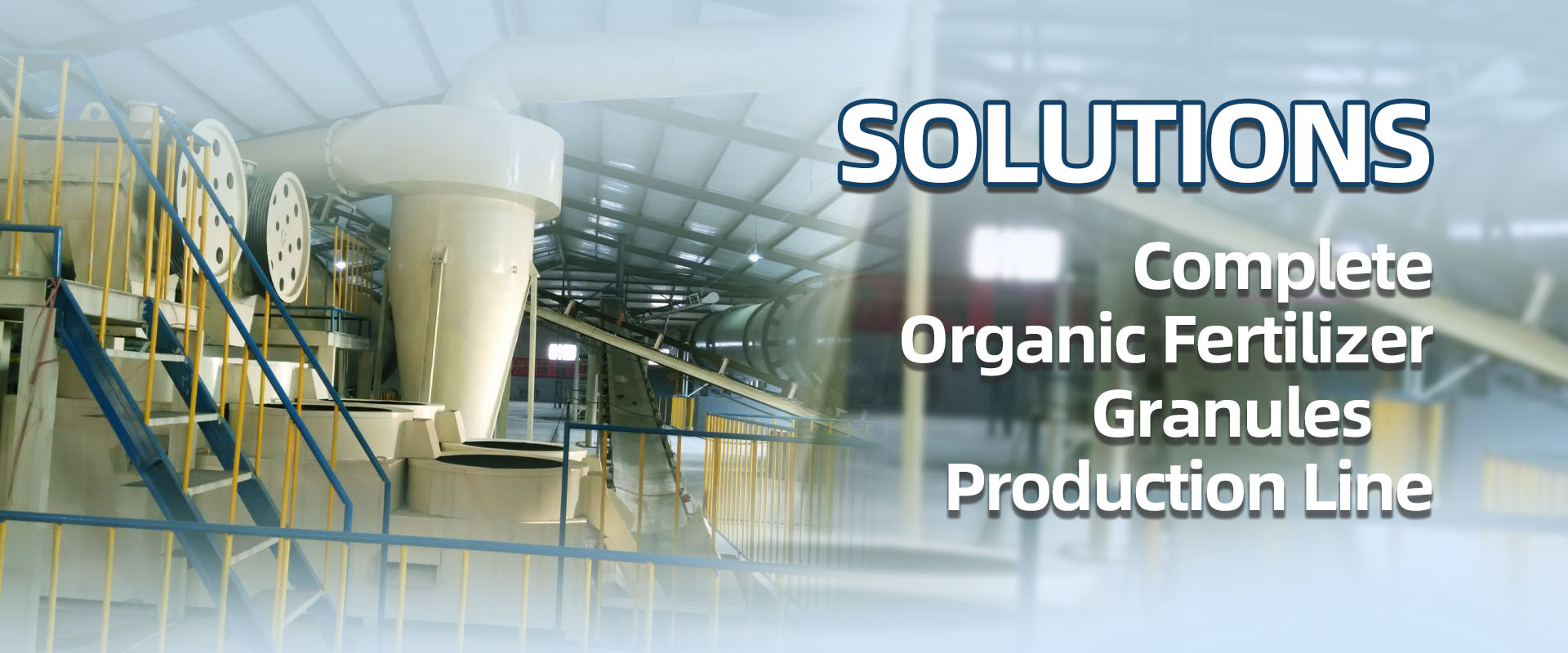
The high-value utilization of Oil palm empty fruit bunch (OPEFB) aligns seamlessly with modern organic fertilizer manufacturing practices. A well-equipped organic fertilizer factory can integrate OPEFB into a comprehensive organic fertilizer production line, transforming this agricultural by-product into valuable soil amendments. The process typically begins with efficient organic fertilizer fermentation equipment, including the large wheel compost turning machine for large-scale processing, which ensures optimal aerobic decomposition of OPEFB alongside other organic materials.
Following complete fermentation, the matured material proceeds to the organic fertilizer granulator for shaping into uniform, market-ready pellets. For enhanced biological activity, the bio organic fertilizer production line can incorporate additional microbial inoculation stages to create fertilizers enriched with beneficial microorganisms. This integrated approach demonstrates how agricultural by-products like OPEFB can be efficiently converted through systematic organic fertilizer manufacturing processes, creating sustainable fertilizer products while addressing waste management challenges. The synergy between innovative by-product utilization and established fertilizer production technologies supports circular economy principles in agriculture, turning potential waste streams into valuable resources for soil health and crop productivity.