Mon - Sat 9.00 - 18.00
+86-18703630069

Flat Die Pelleting Machine

Equipment Introduction
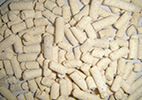
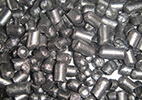
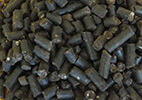
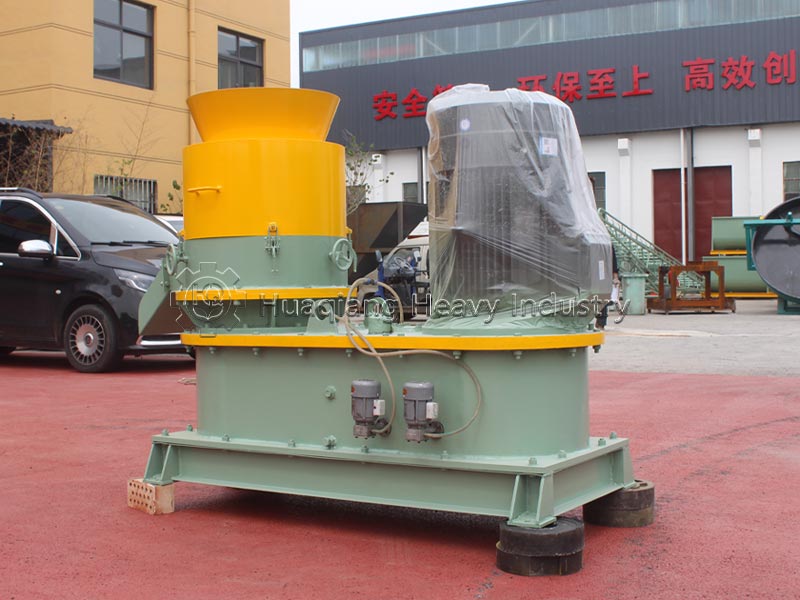
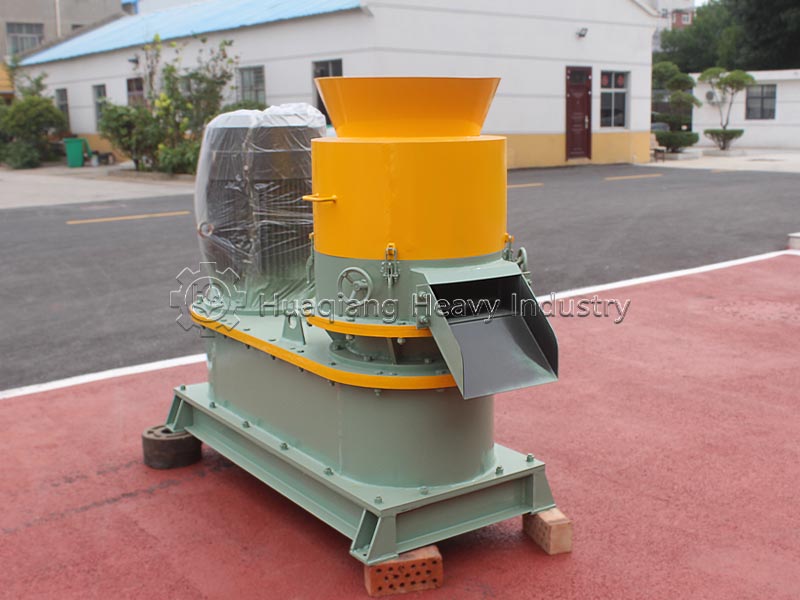
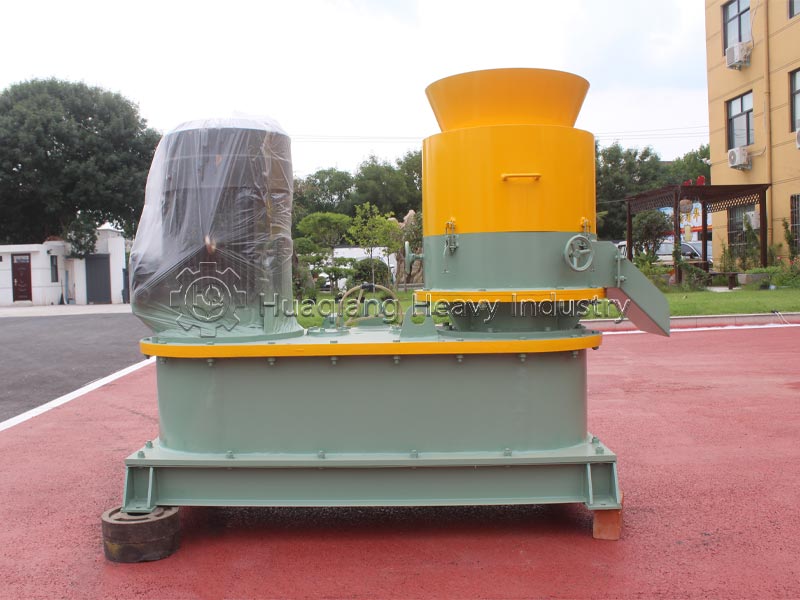
A flat die pelleting machine is a mechanical device that compresses powdery or fine granular raw materials into granular products. It is a low-speed, highly stable, and extremely versatile powder forming machine, distinct from ring die  pelleting machines, roller granulators, and drum granulators. Its core feature is a horizontally arranged flat die and vertical extrusion molding by pressure rollers. The equipment relies on mechanical pressure to compress powdery, fine granular, and loose flocculent raw materials, forming them into columnar solid granules through the die aperture. This process eliminates the need for high-temperature drying and large amounts of binders, preserving the original physicochemical properties of the material. Due to its simple structure, convenient operation, and strong adaptability, the flat die pelleting machine is widely used in industries such as feed, fertilizer, environmental protection (biomass energy such as straw and sawdust), and chemicals.

Flat Die Pelleting Machines are the main pelletizing equipment for small and medium-sized scale production. They are characterized by low investment, low energy consumption, easy operation, no need for complex accessories, and wide applicability to materials. They are widely used in livestock feed, organic fertilizer, biomass fuel, light industrial auxiliary materials, small-scale chemical industry, and other fields, making them the preferred pelletizing equipment for civilian use, small and medium-sized factories, and start-up production lines. The equipment is available in two main models: moving roller type (fixed die, rotating pressure roller) and dynamic type (rotating die, fixed pressure roller), to suit different production capacity and material characteristics requirements.

Equipment Structure Composition

The flat die pelleting machine mainly consists of the following components:

Main Components of Flat-die Pellet Machine & Functions

ComponentFunction Description
HopperReceive raw materials and ensure continuous feeding supply
Feeding SystemScrew conveying or gravity feeding to control feeding rate
Flat DieCircular flat mold with multiple die holes, the core forming component
Press Rollers2-4 cylindrical or tapered rollers that roll and extrude materials on the die surface
Main ShaftTransmit power and drive the rotation of flat die or press rollers
GearboxReduce motor speed and provide sufficient torque output
CutterInstalled under the flat die, cutting extruded strip pellets to target length
Discharge ScraperConvey finished pellets out from the discharge outlet
Power Unit (Motor / Diesel Engine)Provide power source, common power range: 7.5–55 kW
FrameSupport the whole machine and maintain equipment stability
Control CabinetIntegrate start, stop, speed regulation, current and voltage monitoring functions

The flat die is typically made of high-quality alloy steel, which undergoes heat treatment to improve its hardness and wear resistance. Common die hole diameters are 2.5 mm, 4 mm, 6 mm, and 8 mm, and can be changed according to product requirements. The pressure roller surface is grooved to enhance its gripping ability on materials.

Raw Materials for the Equipment

The flat die pelleting machine is highly adaptable to various raw materials, covering almost all types of powdery and fibrous materials:

1. Organic Fertilizer Raw Materials: Livestock and poultry manure (pig manure, chicken manure, etc.), straw (corn stalks, rice straw, cotton stalks, etc.), sawdust, rice husks, peanut shells, weeds, sugarcane bagasse, coconut shells, etc.

2. Feed Raw Materials: Corn, soybean meal, wheat bran, grass meal, alfalfa, etc.

3. Industrial Raw Materials: Coal powder, ore powder, silicon-calcium fertilizer, sodium sulfate, tobacco dust, tea dust, etc.

4. Key Raw Material Indicators:
Moisture Content: Generally requires 28%-35% for organic fertilizer granulation, and 12%-18% for biomass fuel.
Feed Particle Size: Must be crushed to 2-5mm.
The raw material must not contain stones, iron blocks, or other hard objects.

Application of Equipment in Production Lines

Flat die pelleting machines are typically used as core granulation equipment in production lines, forming a complete production line in conjunction with upstream and downstream processes.

1. Typical Flow of an Organic Fertilizer Production Line
Raw material fermentation → Drying (optional) → Crushing → Mixing → Flat die pelleting machine → Drying → Cooling → Screening → Packaging → Finished product
Flat die granulators are used to granulate various fermented organic fertilizers. Before granulation, the raw materials do not need to be dried or crushed; they can be directly mixed to produce cylindrical granules, saving a significant amount of energy.

2. Typical Feed Production Line Flow:

Raw material crushing → Ingredient mixing → Flat die granulation → Cooling → Screening → Packaging

3. Typical Biomass Fuel Production Line Flow:

Raw material crushing (wood chips, straw, etc.) → Drying → Flat die granulation → Cooling → Screening → Packaging

4. Process Characteristics:

The process flow is relatively simple; the initial stage only requires crushing and simple mixing of materials.

The pellet temperature at discharge is relatively low, which is extremely beneficial for bio-fertilizers, preserving the activity of beneficial microorganisms as much as possible.

No heating or drying is required; the pellets are formed in one extrusion process.

Features include no return material, high pellet strength, and low moisture content.

Common Equipment Faults and Solutions

1. No Particle Output, Clogged Die Holes
Causes: Poor die hole smoothness in new die, excessively low material moisture content, rust clogging the die holes, excessive gap between the pressure roller and die; Solutions: Clean residual hard lumps from the die holes; repeatedly grind the new die with oil-containing powder; adjust the material moisture content to the standard range; recalibrate the roller-die gap to 0.1-0.3mm.

2. High Powder Content in Particles, Loose Formation, and Fragile
Causes: Excessively high/low material moisture content, excessive coarse fiber content, insufficient extrusion pressure, severe die wear; Solutions: Precisely adjust the material moisture content; add viscous powder to mix the material; increase the extrusion pressure of the pressure roller; replace worn or aged die.

3. Reduced Equipment Capacity and Slow Particle Output
Causes: Wear and slippage of the pressure roller and die, uneven feeding speed, partial blockage of the die holes, insufficient transmission torque; Solutions: Grind or replace the pressure roller and die; adjust the variable frequency feeding speed; clear all die holes; check the reducer lubricating oil and motor condition.

4. Abnormal noise and machine vibration during operation

Causes: Loose bolts, damaged bearings due to lack of lubrication, uneven roller die clearance, hard impurities in the material; Solutions: Tighten all bolts; replace damaged bearings and add grease; recalibrate the clearance; screen materials to remove impurities.

5. Inconsistent particle length and quality

Causes: Loose or worn cutter, uneven feeding, unstable extrusion pressure; Solutions: Tighten and grind the cutter, adjust the feeding speed to be uniform, calibrate the pressure rollers.

6. Motor overload tripping and burnout

Causes: Excessive feeding at one time, severe blockage, short circuit due to phase loss, bearing jamming; Solutions: Stop the machine to clear blockages, control the feeding speed; repair the circuit, replace faulty parts.

Equipment Parameters

Parameter ItemKP-210KP-260KP-400KP-500
ModelKP-210KP-260KP-400KP-500
Capacity (t/h)0.2-0.30.4-0.51-1.22-5
Pelleting Rate (%)>95%>95%>95%>95%
Rotation Speed (r/min)370260260125
Power (kW)7.5113055

Flat die pelleting machines, with their unique advantages such as simple structure, low investment cost, strong raw material adaptability, low-temperature extrusion, and one-time molding, have become core equipment for small-scale production in the three major fields of organic fertilizer, feed, and biomass fuel. Whether you need a flat die pelleting machine or plan an entire fertilizer production line—from fermentation and turning, crushing and mixing, to granulation, drying and cooling, screening and packaging—we can provide you with a one-stop solution.

Have Any Problem? Please, Contact

Integrity

Adhere to honesty and trustworthiness, be responsible to customers, employees, partners, and society, and establish long-term trust relationships.

Win win

Establish win-win relationships with all stakeholders such as customers, suppliers, and employees to share the fruits of enterprise development.

Contact us for services