
How can pulverization efficiency and fineness be improved?
Pulverization is a preliminary step in fertilizer production; insufficient fineness directly affects granulation uniformity and the appearance of the finished product. Improving pulverization efficiency and fineness requires optimization in three areas: equipment selection, hammer configuration, and screen aperture size.
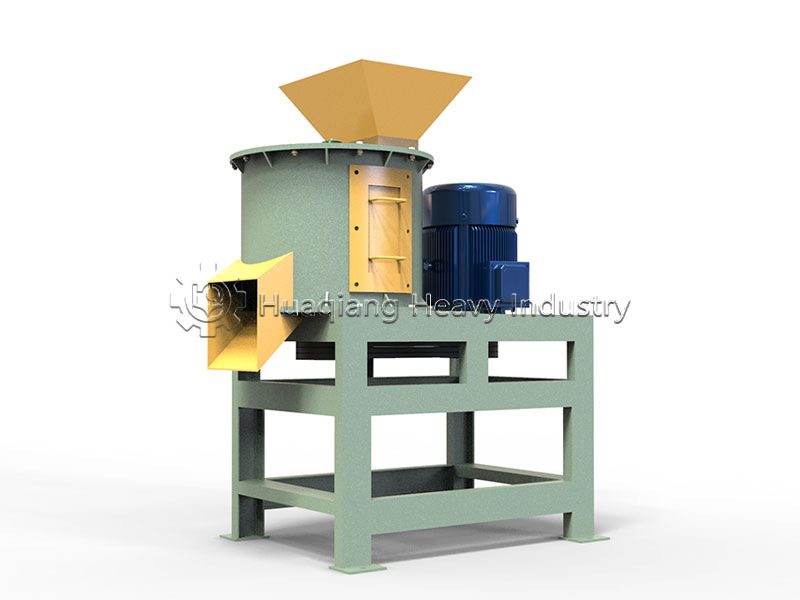
Equipment selection: Pulverizers should be selected based on the material’s moisture content. For high-moisture organic materials (moisture content >25%), a half-wet material crusher is recommended; its dual-stage rotor and chain liner structure prevent clogging. For dry materials or caked fertilizers, a cage pulverizer is suitable; it uses high-speed rotating steel rods to shatter the material, achieving a fineness of over 80 mesh.
Hammer and rotational speed adjustment: Higher linear speeds result in finer particles but also increase energy consumption and wear. It is advisable to maintain the rotor’s linear speed between 50 and 70 m/s and adjust the number of hammers based on raw material hardness (adding hammers increases the crushing ratio, though current load must be monitored). Fibrous materials can undergo coarse pre-cutting before feeding.
Screen aperture size: Final fineness is determined by the screen aperture. For organic fertilizer production, an aperture of 2–3 mm is appropriate to ensure the powder fineness reaches ≥60 mesh before granulation. For NPK fertilizer, an aperture of 1.5–2 mm is recommended; finer apertures can improve the granulation rate. Regularly inspecting the screen for damage and clearing adhered material after every shift helps maintain consistent pulverization efficiency.