
OPEFB: From Waste to Valuable Resource
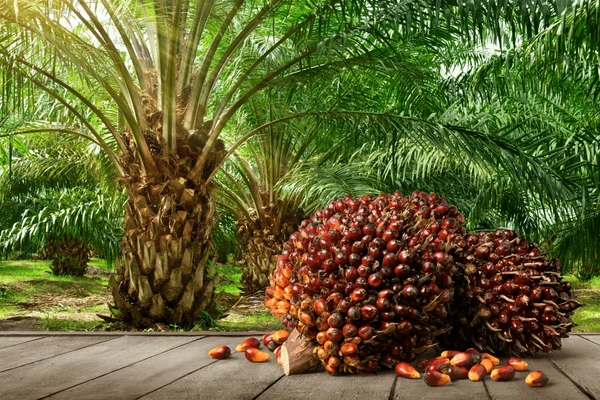
Oil palm empty fruit bunch (OPEFB), as the main by-product of the palm oil industry with an annual global production exceeding 100 million tons, was once considered difficult-to-manage waste. However, with technological innovation and the widespread adoption of sustainable development concepts, OPEFB is being transformed into valuable resources through various technological pathways, demonstrating significant economic and environmental benefits.
Energy Utilization: Addressing Regional Energy Demands
In the energy sector, OPEFB demonstrates enormous potential. Biomass power generation technology uses OPEFB as fuel for electricity generation, with each ton of raw material producing 800-1000 kilowatt-hours of electricity. This technology is particularly suitable for establishing captive power plants in palm oil plantation areas, addressing both waste treatment issues and local energy needs. The application of circulating fluidized bed combustion technology significantly improves combustion efficiency, with ash utilization rates reaching above 90%.
Biomass gasification technology offers another energy solution. Synthesis gas produced from pyrolyzing OPEFB in oxygen-deficient environments can be used for power generation, heating, or as chemical raw materials. Compared to traditional power generation technologies, gasification technology reduces investment costs by approximately 40%, making it particularly suitable for small to medium-scale projects. These energy utilization pathways not only create economic value but also provide feasible approaches for palm oil producing regions to achieve carbon neutrality goals.
Fertilizer Utilization: Promoting Sustainable Agriculture
Converting OPEFB into organic fertilizer represents the most direct resource utilization method. Through microbial fermentation technology, lignocellulose in OPEFB is decomposed and transformed into fertilizer rich in organic matter and nutrients. Optimized production processes can shorten the fermentation cycle to 25-35 days, with product organic matter content reaching above 50%. This organic fertilizer is particularly suitable for tropical crop cultivation, effectively improving soil structure and increasing crop yields.
Biochar production represents another high-value-added fertilizer utilization pathway. Biochar produced from pyrolyzing OPEFB under oxygen-deficient conditions not only improves soil physical properties but also serves as a carbon sequestration product participating in carbon trading. Each ton of biochar can sequester 1.5-2 tons of carbon dioxide, providing practical solutions for addressing climate change.
Material Utilization: Creating Industrial Value
In the material field, OPEFB’s application prospects are equally broad. Artificial board production technology transforms OPEFB fibers into building materials like particleboard and fiberboard, with product performance meeting international standards and costs approximately 25% lower than traditional wood-based panels. This wood-alternative resource utilization approach helps reduce deforestation and protect ecological environments.
Biomass composite material technology combines OPEFB fibers with plastics to create environmentally friendly composite products. These materials can be applied in various fields including outdoor flooring and automotive interiors, demonstrating good degradability in natural environments. Pulp production technology transforms OPEFB into packaging materials and household paper, providing sustainable raw material choices for the packaging industry.
Global Significance and Development Prospects
The multi-pathway utilization technologies for OPEFB not only address the waste treatment challenges of the palm oil industry but also make important contributions to global sustainable development. These technologies transform what were once environmental burdens into economic resources, achieving true circular economy models.
As global emphasis on sustainable development and carbon neutrality goals continues to increase, OPEFB utilization technologies will continue to develop and improve. In the future, the combination of technological innovation and market demand will enable OPEFB to play greater value in multiple fields including energy, agriculture, and materials, providing important support for building more sustainable production and consumption patterns.
Integrating OPEFB into Modern Organic Fertilizer Systems
The transformation of Oil palm empty fruit bunch (OPEFB) into valuable soil amendments is a prime example of circular organic fertilizer manufacturing. Utilizing the fibrous oil palm empty fruit bunch composition, the process begins with an efficient organic fertilizer fermentation process. This is enhanced by modern fermentation composting technology for organic fertilizer, which often employs specialized equipment like the chain compost turning machine or large wheel compost turning machine to optimize the organic fertilizer fermentation through effective fermentation composting turning technology.
Following complete stabilization, the mature compost is integrated into a complete organic fertilizer production line. For enhanced functionality, this can be configured as a bio organic fertilizer production line that includes microbial inoculation. A key piece of equipment in this line is often a new type two in one organic fertilizer granulator, which efficiently mixes and shapes the material into uniform, market-ready pellets. This integrated approach demonstrates how agricultural by-products can be systematically converted through biological decomposition and precision engineering into high-quality fertilizers, supporting soil health and sustainable agricultural practices while addressing waste management challenges.