
Straw Crusher: The “Wall-Breaking Pioneer” of Agricultural Circular Economy
In the wave of green agriculture and the circular economy, the treatment and resource utilization of straw have become key indicators of modern agricultural advancement. Once considered agricultural waste often disposed of by burning, straw is now being transformed into fertilizer, feed, substrate, and even energy through technological innovation. At the very beginning of this transformation, the Straw Crusher plays a critical role—it is the “Wall-Breaking Pioneer” that turns bulky field residue into usable material, laying the essential physical foundation for all subsequent conversion processes.
Core Advantages: Efficiency, Versatility & Adaptability
The value of a straw crusher lies in its ability to efficiently convert tough, bulky, and loose straw into uniform-sized fragments or powder that are easy to handle in downstream processes.
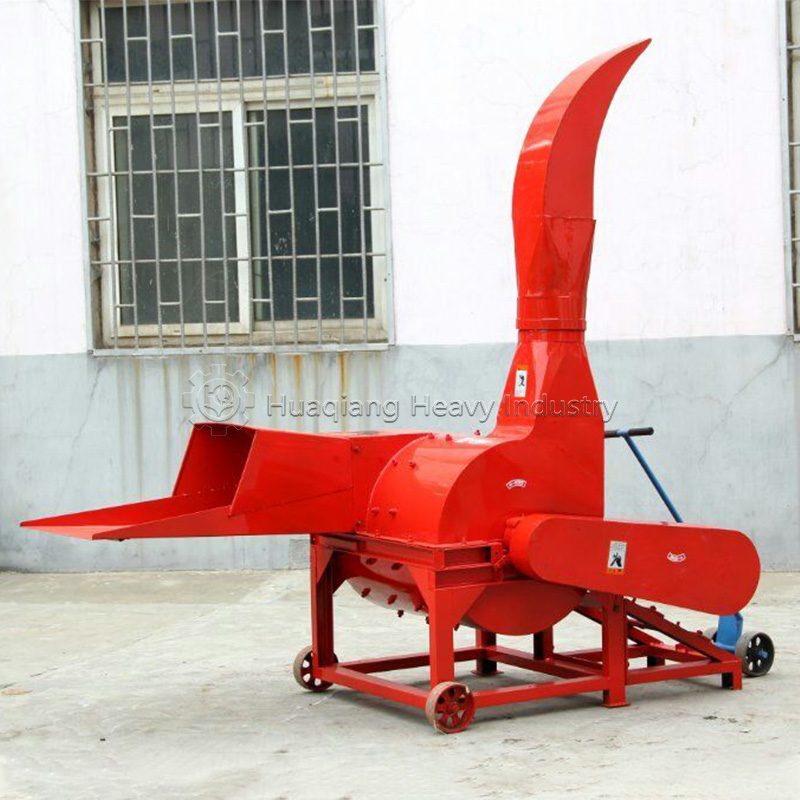
Powerful Crushing Capacity & Processing Efficiency
Confronting various types of straw (like corn, wheat, rice straw) with differing moisture content and high toughness, its equipped high-torque cutting rollers, hammer mills, or blade systems can quickly reduce straw to preset lengths—from several-centimeter fragments to millimeter-scale powder—through shearing, impact, and tearing. A medium-sized machine can process several tons of material per hour, far surpassing the efficiency of traditional manual chopping, making large-scale processing feasible.
Excellent Output Uniformity & Multi-Functional Adaptability
Advanced crushing chamber design and screen control ensure highly uniform output size. This characteristic directly determines the value for subsequent use: uniform fragments are ideal feedstock for anaerobic digestion into biogas; finer powder is perfect for producing organic fertilizer, animal bedding, or straw-based substrates. By simply rotary screener machine, one machine serves multiple purposes, meeting the needs of different industrial chains.
Robust Durability & Low Operational Cost
To handle impurities like sand often mixed with straw, core working components are made from high-strength, wear-resistant materials that tolerate harsh working conditions. The design emphasizes reliability with few maintenance points, ensuring stable operation in demanding environments and effectively reducing the total cost of ownership over the long term.
Synergistic Production: The “First Process” in the Resource Utilization Chain
The straw crusher is the starting point of the entire straw resource utilization system, with its impact felt across multiple utilization pathways.
Synergy with the “Fertilizer” Pathway: Crushed straw is a key carbon source for producing high-quality organic fertilizer. It can be mixed with livestock manure and fed into a compost turner or fermentation tank. Its fine form vastly increases the surface area for microbial contact, accelerating the aerobic composting process, ultimately transforming into humus-rich soil amendment.
Synergy with the “Energy” Pathway: As feedstock for biomass direct combustion power generation or biogas projects, straw must be crushed to achieve optimal bulk density and reaction efficiency. The crusher provides this standardized fuel precursor.
Synergy with the “Feed” Pathway: Some crop straws, after crushing, fermentation composting turning technology, or nutrient addition, can be made into feed for ruminants. Crushing is a necessary step for subsequent mixing, pelleting, or silage processing.
Synergy with the “Substrate” Pathway: Crushed straw is an excellent substrate for cultivating edible mushrooms. Its uniform physical state facilitates sterilization and mycelium colonization.
Evolution & Outlook: A Smarter, Greener Future
Facing growing processing demands and environmental regulations, straw crushing technology is evolving to a higher level:
Intelligent Control: Integration of load sensors and automatic adjustment systems that modulate speed and power based on feed rate and straw moisture, achieving optimal energy efficiency and blockage prevention.
Integrated & Mobile Solutions: Emergence of combined machines that work in tandem with balers or bundlers, and mobile crushing units suitable for direct field operation, enabling one-stop “harvest-crush-collect” service.
Low Noise & Dust Control: Optimized chamber design, added noise dampening, and enclosed dust collection systems significantly improve the working environment, meeting green operation standards.
Conclusion
In summary, the straw crusher has evolved from a simple cutting tool into an indispensable key pre-processing unit in the modern agricultural circular system. With its powerful “wall-breaking” capability, it opens the gate for transforming straw from waste into a valuable resource, directly supporting multiple industrial chains including fertilization, energy recovery, feed production, and substrate manufacturing. In today’s drive for sustainable agriculture and carbon neutrality goals, an efficient and reliable straw crusher is undoubtedly the solid cornerstone and core engine for building a resource-efficient and environmentally friendly modern agriculture.