
【FAQ】Sudden Drop in Organic Fertilizer Crusher Output? First Check for Air Leaks in Pipes and Blockage in Filter Bags
A sudden drop in the output of an organic fertilizer crusher is a common problem encountered in many organic fertilizer plants. In this situation, don’t rush to suspect a malfunction in the main unit. First, check for air leaks in the pipes and blockages in the filter bags—these are the most common causes of a sudden drop in crusher output and are often overlooked by operators.
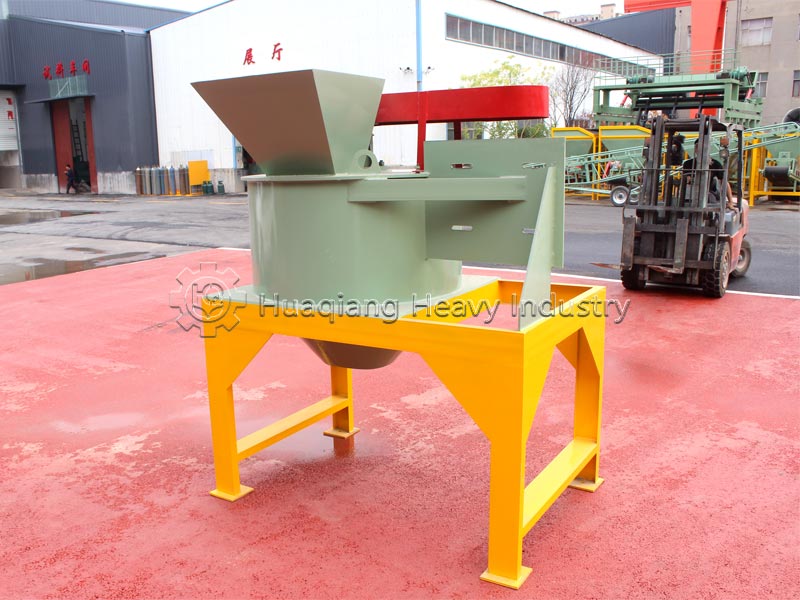
Air Leaks in Pipes: Insufficient Suction, Obstructed Material Conveying
Organic fertilizer crushers are usually equipped with a negative pressure conveying system, relying on the negative pressure generated by a fan to suck the crushed material into the dust collector or the next process. Once an air leak occurs in the pipes, the system negative pressure immediately drops, and the material cannot be effectively sucked away. Material easily accumulates in the crushing chamber, causing the crusher to stall and resulting in a significant drop in output.
Common Air Leak Points: Pipe flange connections, damaged flexible connections, aging of the inspection door seals, and cracks in pipe welds. When checking, you can place a thin piece of paper close to the suspected area; if the paper is sucked in, it indicates an air leak. You can also touch the flange interface with your hand when the machine is stopped to feel for any air leakage. If air leakage is detected, the sealing gasket should be replaced or the pipes repaired promptly to ensure a tight system seal.
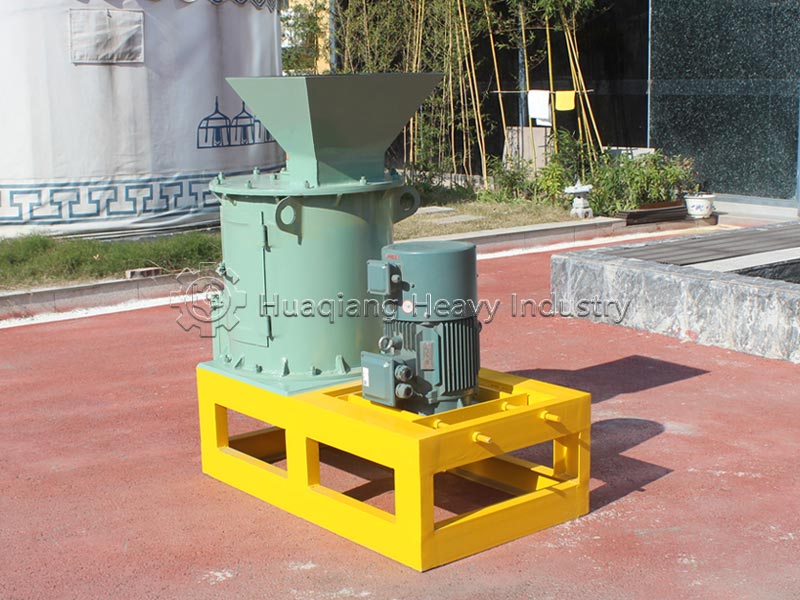
Bag Filter Blockage: Poor Ventilation, Reduced Crushing Efficiency
The bag filter is the “lungs” of the crushing system. When the bags are blocked, dust-laden gas cannot pass through smoothly, system resistance increases sharply, fan airflow decreases, airflow circulation within the crushing chamber is obstructed, material discharge is poor, and output decreases accordingly. Simultaneously, the temperature within the crushing chamber rises, accelerating hammer wear.
Causes of Bag Filter Blockage: High material moisture content (over 15%) causes dust to adhere to the bag surface, forming clumps; pulse jet system malfunction, resulting in incomplete cleaning; prolonged use of the bags causes permanent blockage of pores by fine powder. During inspection, observe the differential pressure gauge on the dust collector. If the differential pressure exceeds 1500 Pa, the bags are blocked. The dust collector should be stopped, the bags removed for inspection, and if a thick layer of material adheres to the surface, they need to be cleaned or replaced. Daily maintenance should ensure the pulse valves are functioning properly and regular cleaning is performed.
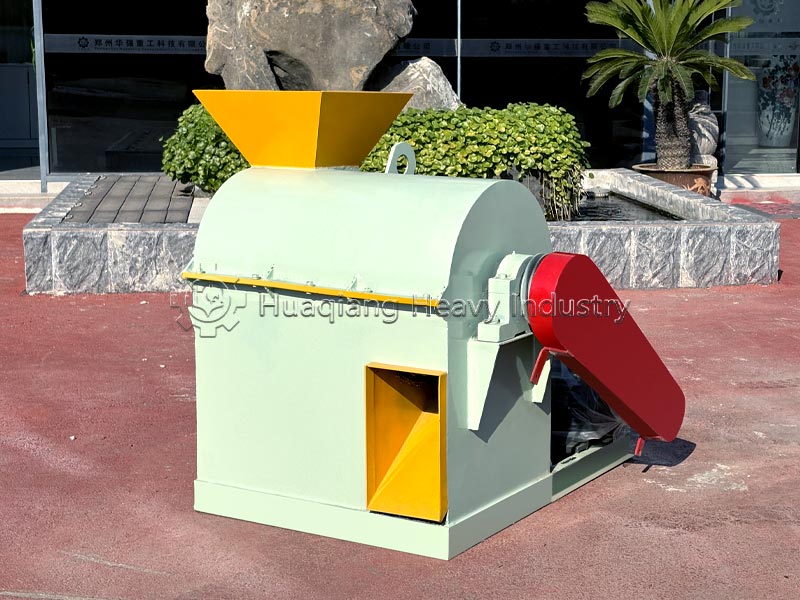
Other Aspects Requiring Simultaneous Inspection
After confirming the pipes and filter bags are normal, check the following: Hammer blades for severe wear (replace if wear exceeds 10mm), screen for blockage or damage, feed uniformity, and motor belt slippage. These also affect output, but pipe leaks and filter bag blockages are priority checks.
Prevention and Maintenance Recommendations
Control the moisture content of the feed material between 12% and 15%; check pipe connections and flexible joints every shift; clean the dust collector bags and check the pulse valves weekly; replace damaged filter bags quarterly. Establishing a habit of “checking the airflow first, then the machinery” can significantly reduce sudden downtime.
A sudden drop in the output of an organic fertilizer crusher is not alarming; what is alarming is blindly disassembling the machine. Remember: check for pipe leaks first, then filter bag blockages; most problems can be resolved quickly this way.