
Windrow Compost Turner: The Unstoppable Workhorse?
In the world of organic fertilizer manufacturing, efficient composting is the cornerstone of success. Among the various equipment designed for this purpose, the windrow compost turner stands out as a truly indispensable workhorse. This robust machine is engineered to accelerate the natural decomposition process, transforming raw organic waste into nutrient-rich humus with remarkable efficiency.
Core Advantage: The primary advantage of the windrow compost turner lies in its profound turning capability and operational resilience. Unlike static composting systems, this mobile powerhouse actively aerates the compost pile. Its rotating flails or augers delve deep into the windrow—the long, piled rows of material—lifting, mixing, and fracturing the compost. This action introduces vital oxygen, regulates temperature and moisture, and ensures homogeneous decomposition, effectively preventing anaerobic pockets that cause odors and slowing processing. What traditionally takes months can be reduced to mere weeks.
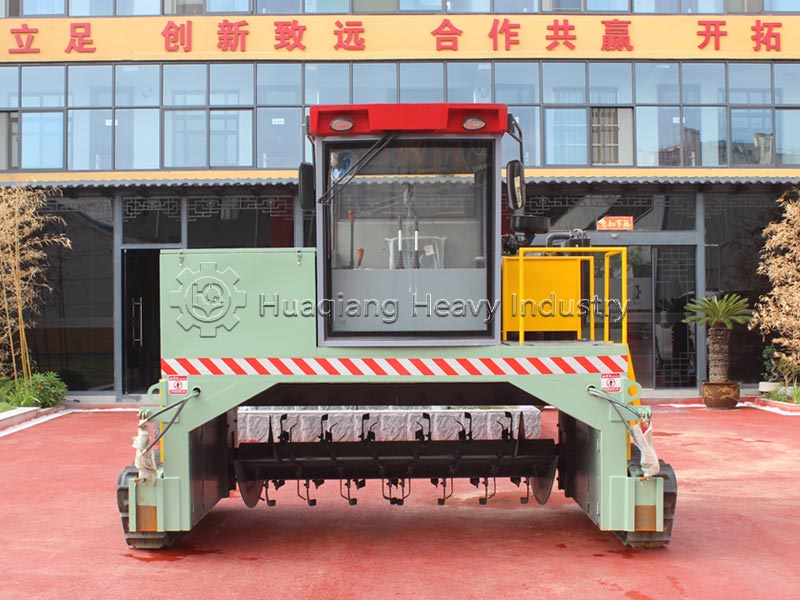
Real-World Impact: Consider the case of a municipal green waste facility in Florida. Struggling with slow processing times and space constraints, they integrated a high-capacity windrow compost turner into their operations. The results were transformative: composting cycles were cut by over 60%, and the final product quality became consistently superior. The machine’s ability to process large volumes quickly turned a logistical challenge into a profitable, streamlined operation, allowing the facility to handle seasonal waste surges effortlessly.
System Integration: Within a complete organic fertilizer production line, the windrow turner plays a pivotal, synergistic role. It works seamlessly between the initial shredding equipment and the final rotary screener machine and bagging machines.
While in-vessel composters excel in controlled, odor-sensitive environments, the windrow turner is the champion of large-scale, open-air composting, offering a significantly lower capital and operational cost per ton. Compared to tractor-pulled turners, modern self-propelled models offer superior maneuverability, consistent turning depth, and often incorporate real-time temperature and moisture sensors, bringing data-driven precision to an age-old process.
Conclusion: In essence, the windrow compost turner is more than just a piece of machinery; it is the dynamic heart of the composting phase. Its robustness, high throughput, and cost-effectiveness make it the backbone of profitable organic fertilizer operations worldwide, turning waste into wealth one windrow at a time.