
From Waste to Wealth: How the Windrow Compost Turner Works Its Magic on Cow Manure
Let’s be honest for a moment. If you’ve ever managed a dairy farm or a cattle operation, you know the struggle. Every single day, those gentle giants produce an astonishing amount of manure. It piles up. It smells. It attracts flies. And if you’re not careful, it becomes an environmental headache. But what if I told you that same manure could be your farm’s most valuable asset? Enter the unsung hero of modern agriculture: the windrow compost turner.
The Problem with Piles
Cow manure is tricky. Unlike chicken litter, it’s heavy, wet, and dense. If you just stack it and leave it, it turns into an anaerobic mess—sour, slow to decompose, and prone to runoff that can pollute nearby streams. Traditional tractor work? Sure, you can push it around, but you’ll never get the oxygen deep into the core where the real magic needs to happen.
That’s where the windrow compost turner changes everything.
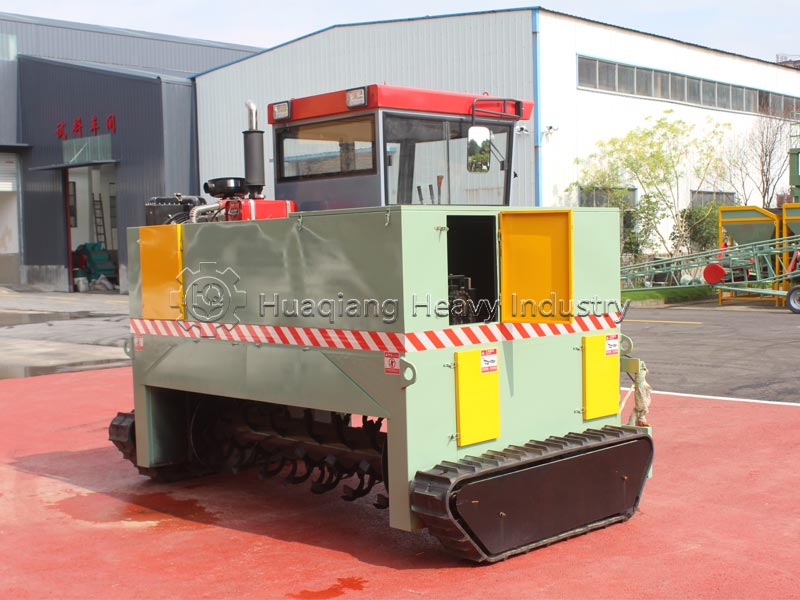
Why Tracks Matter
Picture a machine that weighs several tons, crawling over a mountain of manure that’s soft, slippery, and uneven. Rubber wheels sink. They spin. They get stuck, especially after rain. But tracks? Tracks distribute that weight like a snowshoe, letting the machine glide over the pile without compacting the material underneath.
This isn’t just about mobility—it’s about preserving the structure of your compost. Every pass needs to fluff and aerate, not squash. The tracked design lets this heavyweight champion dance lightly across the most treacherous terrain.
The Dance of Decomposition
So how does this steel beast actually work its magic?
The operator lines up the machine at one end of a long windrow—that neat, triangular ridge of manure that’s been sitting for a few days. The front drum digs in, lifting the material and throwing it into the spinning drum inside. Blades and tines shred the clumps, mix everything thoroughly, and launch it out the back in a perfect, fluffy arc.
In one single pass, several things happen:
Oxygen floods the pile, awakening billions of aerobic bacteria
Temperatures climb high enough to kill weed seeds and pathogens
Ammonia escapes into the air instead of burning your crops later
Moisture gets redistributed evenly throughout the windrow
From Stinky Mess to Sweet Earth
After the first turn, you’ll notice the difference. That sharp, acrid smell begins to fade, replaced by something almost pleasant—earthy, like a forest floor after rain. The color shifts from pale brown to deep, rich chocolate.
But here’s where the windrow compost turner truly earns its keep: consistency. Week after week, it churns through the piles, ensuring every bit of manure gets the same treatment. Hot spots cool down. Wet spots dry out. Dry spots get moisture from deeper layers. It’s like having a master chef constantly stirring a giant pot, making sure nothing burns and everything cooks evenly.
The Integration Game
Of course, the turner doesn’t work alone. Before it even arrives, a solid-liquid separator might remove excess moisture, especially if you’re dealing with fresh, runny manure. The separated solids become perfect composting material, while the liquid can be treated and used as irrigation.
After several weeks of regular turning—maybe every few days at first, then less frequently as the material stabilizes—you’re left with something remarkable. That mountain of waste has transformed into humus: dark, crumbly, sweet-smelling organic fertilizer production line. It’s packed with nutrients, but stable enough that it won’t burn tender plant roots.
The Farmer’s Smile
Walk onto a farm that uses a windrow compost turner properly, and you’ll see something special. The farmer doesn’t dread the manure pile anymore. Instead, they see potential. Maybe they spread it on their own pastures, watching the grass turn emerald green. Maybe they bag it and sell it to local gardeners and organic farmers. Some operations even build entire businesses around this “black gold.”