
Specializing in High-Moisture Materials: Half-Wet Material Crusher Says Goodbye to Clogging Problems
In organic fertilizer production, agricultural waste treatment, and wet waste resource utilization, crushing high-moisture materials has always been a challenge for the industry. Traditional dry crushers, when faced with materials with a moisture content of over 30%, experience either a sharp drop in efficiency or complete shutdown. The emergence of the half-wet material crusher has completely changed this situation. Designed specifically for materials with a moisture content of 25%-55%, it boasts a unique anti-clogging structure and high-efficiency crushing capabilities, making it a core piece of equipment for the pretreatment of high-moisture materials. This article will delve into the five core features of this “high-moisture nemesis,” guiding you to understand its underlying logic in handling wet materials.
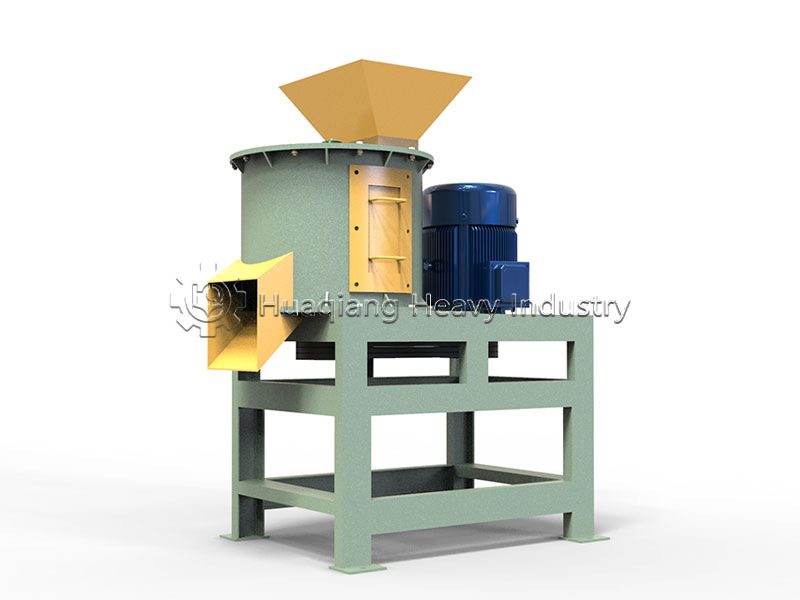
Feature 1: Superior Wet Material Processing Capacity, Effectively Preventing Agglomeration
When processing wet materials, traditional dry crushers easily cause materials to stick together and clump within the machine cavity, creating a “dough effect” that ultimately leads to clogging and shutdown. The half-wet material crusher was designed from the outset for wet materials—it can efficiently process various high-moisture materials such as wet straw, livestock and poultry manure, organic fermented materials, and urban wet waste. Whether it’s highly sticky, well-rotted chicken manure or mushroom residue with a moisture content as high as 50%, it can be quickly dispersed and crushed after entering the machine, completely solving the industry pain point of wet materials clumping together.
Actual test data shows that under the same moisture content conditions, the efficiency of traditional dry crushers in processing wet materials is less than 30%, while the half-wet material crusher’s processing efficiency is consistently above 90%.
Feature Two: Dedicated Anti-Clogging Design, No Need for Frequent Shutdowns
Anti-clogging is the core technological breakthrough of this equipment. Its design logic is reflected in three aspects:
Screen-free structure: Traditional crushers rely on screens to control fineness, but screens are easily clogged by wet materials. The half-wet material crusher adopts a two-stage rotor structure, where materials are crushed through high-speed collision and friction within the machine, eliminating the need for screens and fundamentally eliminating the source of clogging.
Back-blowing System: The equipment is equipped with a high-pressure back-blowing device that periodically injects compressed air into the machine cavity to blow off material adhering to the cavity walls and rotor, keeping the passage unobstructed.
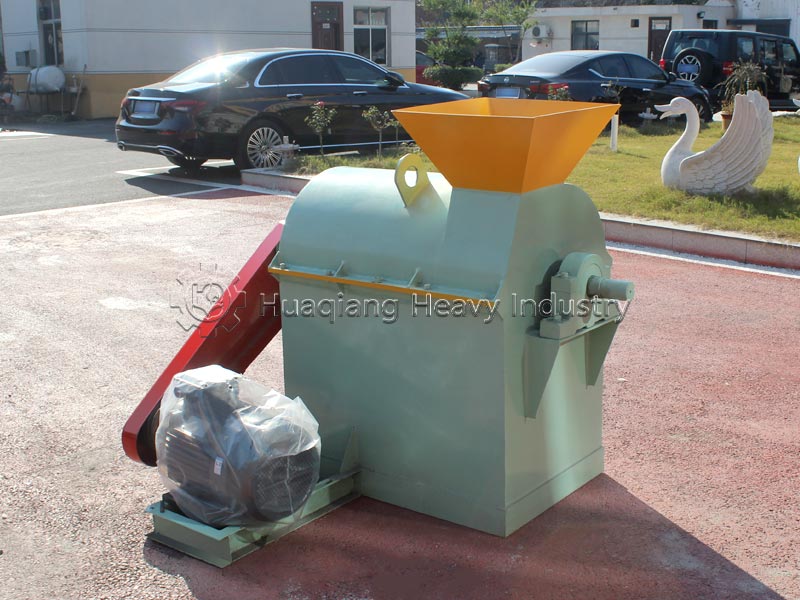
Special Grinding Elements: The optimized layout of the blades and hammers creates a self-cleaning effect—material is continuously thrown towards the discharge port during the grinding process, making it difficult to accumulate in dead corners.
This series of designs allows the equipment to operate continuously for several hours without stopping for cleaning, significantly improving production efficiency.
Feature Three: High Grinding Efficiency, Triple Action for Rapid Powdering
The high efficiency of the half-wet material grinder stems from its unique grinding mechanism: impact, cutting, and grinding work simultaneously.
After entering the machine cavity, the material is first violently impacted by the high-speed rotating blades (up to 2800 rpm), instantly breaking up large pieces of material; then, it is repeatedly cut and torn between the hammers and liners, cutting fibrous materials; finally, the inter-particle friction further refines the material. This combined effect allows the material to reach the required fineness within seconds, resulting in uniform output without the need for repeated material return.
Taking well-rotted chicken manure as an example, a single crushing operation can break down clumps to 20-40 mesh, directly meeting granulation requirements.
Feature 4: Wide Material Adaptability, Cross-Industry Applications
Although named a “half-wet material crusher,” its applications extend far beyond agriculture:
Agriculture: Livestock and poultry manure, straw, mushroom residue, fruit and vegetable waste
Food Processing: Distillers’ grains, vinegar residue, fruit pomace, kitchen waste
Chemicals: High-moisture filter cake, dye intermediates, rubber waste
Environmental Protection: Urban wet waste, garden waste, sludge
One machine can meet the high-moisture material crushing needs of multiple industries, significantly improving equipment utilization.
Feature 5: Controllable Particle Size, Easy Maintenance, Low Operating Costs
Adjustable Particle Size: Although there is no screen, the output fineness is not uncontrollable. By adjusting the rotor speed, blade gap, and adding a grading device, the crushing fineness can be adjusted within a certain range (usually 10-60 mesh). Users can flexibly adjust parameters according to subsequent process requirements.
Easy Maintenance: The equipment features a simple structure and a quickly openable crushing chamber for easy cleaning and maintenance. Wear parts such as blades and hammers are made of wear-resistant alloy, boasting a lifespan of hundreds of hours. Disassembly and assembly require no special tools, allowing ordinary workers to easily replace parts.
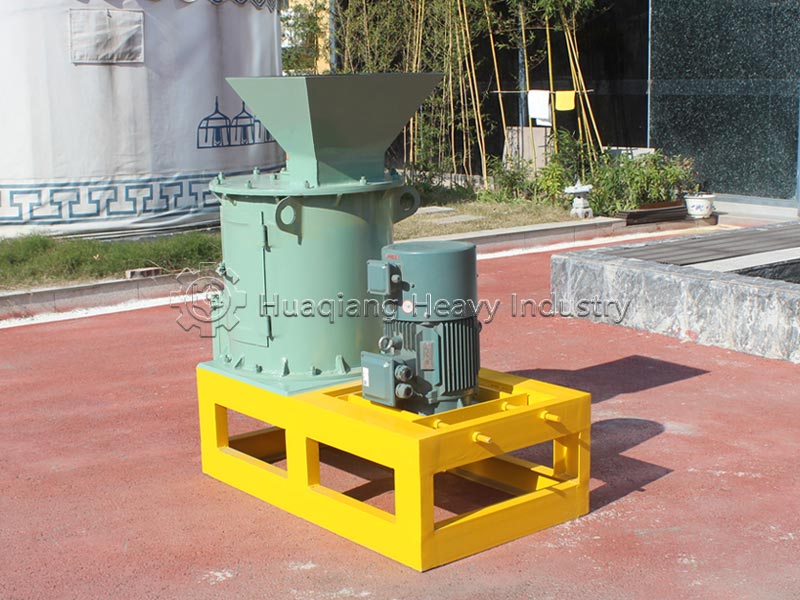
From crushing fermented materials in organic fertilizer plants to shredding wet waste in kitchen waste treatment centers, and recycling waste in food factories—the half-wet material crusher, with its robust capabilities in handling high-moisture materials, has become an essential tool in the pre-processing stages of many industries. It overcomes the limitations of traditional equipment when dealing with wet materials, ensuring that high-moisture materials no longer hinder production but rather become qualified raw materials that can smoothly enter the next stage of processing. Choosing a half-wet material crusher means choosing a reliable path to eliminate blockages and improve efficiency from the source.
The five core features of the half-wet material crusher machine establish it as an indispensable part of any modern organic fertilizer production equipment lineup. By efficiently transforming sticky, high-moisture feedstocks into a uniform, free-flowing powder, it perfectly bridges the gap between raw material collection and the subsequent stages of a dedicated bio organic fertilizer production line. This prepared material is then ideally suited for the shaping phase. For producing premium spherical granules, a complete organic fertilizer disc granulation production line is a classic and effective choice, with its adjustable parameters for disc angle and speed. For operations seeking a compact, versatile solution, a new type two in one organic fertilizer granulator can combine the final stages of conditioning and initial organic fertilizer production granulation. Whether integrated with a classic disc line or a combined granulator, the output from the half-wet material crusher machine provides the consistent, ideal feedstock that is the foundation of successful organic fertilizer production granulation. This synergy between robust organic fertilizer raw material processing equipment and the chosen granulation technology from the organic fertilizer granulator series is the key to transforming challenging wet wastes into high-value, marketable organic fertilizer products.