
A Complete Process for Organic Fertilizer Production
Chicken, cow, and pig manure from livestock farming poses a serious environmental burden if not properly treated; however, with specialized equipment, they can be transformed into high-value organic fertilizer. Targeting the characteristics of different manure types, the industry has developed specialized machinery such as chicken manure composting equipment, cow manure composting equipment, and pig manure granulators, forming a mature fertilizer production process. This article provides a popular science explanation from two dimensions: equipment selection and process chain.
Chicken Manure Composting Equipment: Rapid Fermentation Line for High-Nitrogen Raw Materials
Chicken manure is characterized by high nitrogen content, moderate moisture content, and high viscosity. Improper treatment can easily produce ammonia and contains a large number of insect eggs.
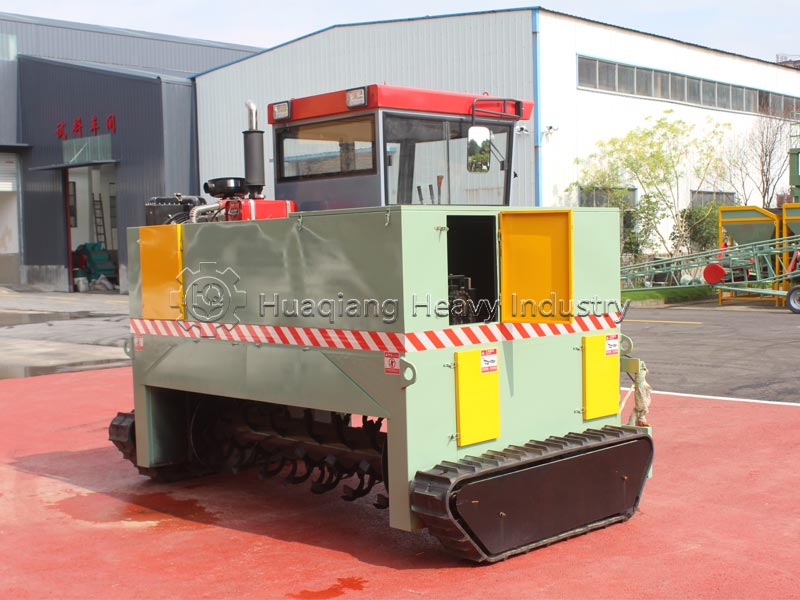
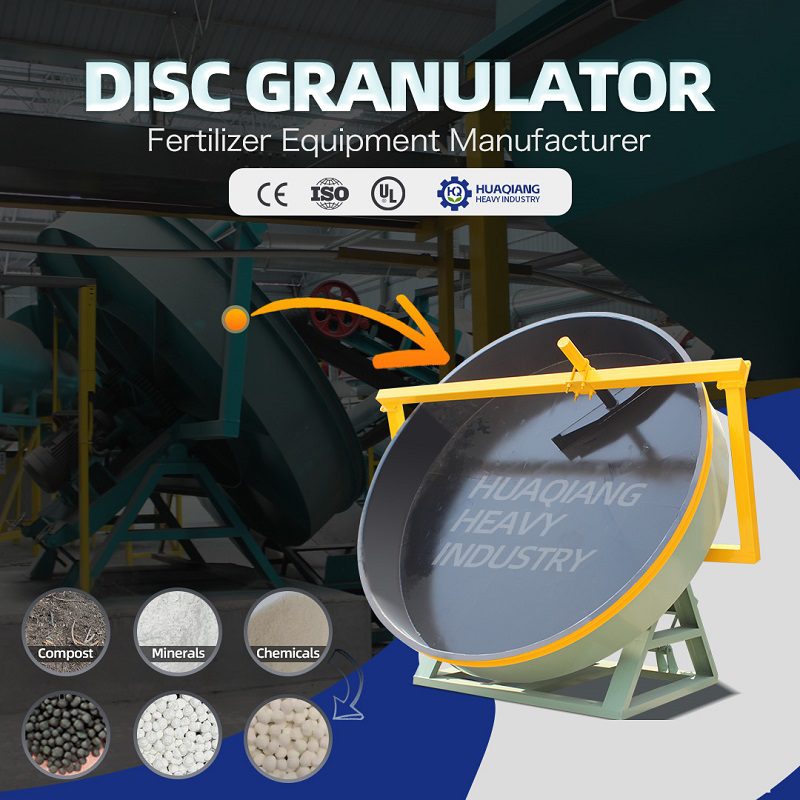
Core Equipment Combination: Dewatering machine (reduces the moisture content of fresh chicken manure from 80% to below 60%) → Trough-type compost turner (forced ventilation + regular turning, removing odor and insect eggs in 7-10 days) → Drum screen (separates large impurities) → Disc granulator or extrusion granulator.
Key Process Points: Before chicken manure fermentation, 20%-30% straw powder or rice husks need to be mixed in to adjust the carbon-nitrogen ratio; during granulation, 3%-5% bentonite must be added to reduce stickiness. Dedicated chicken manure composting equipment lines are typically configured with a “two-stage fermentation” mode: high-temperature (65-70℃) sterilization in the first stage and low-temperature (40-50℃) composting in the second stage, with a total cycle of approximately 20 days.
Cow Manure Composting Equipment: A Low-Nutrient, High-Fiber Aerobic Solution
Cow manure has low digestibility, coarse fiber, and high water content (around 85%), but low heavy metal and salt content, making it a high-quality organic fertilizer raw material.
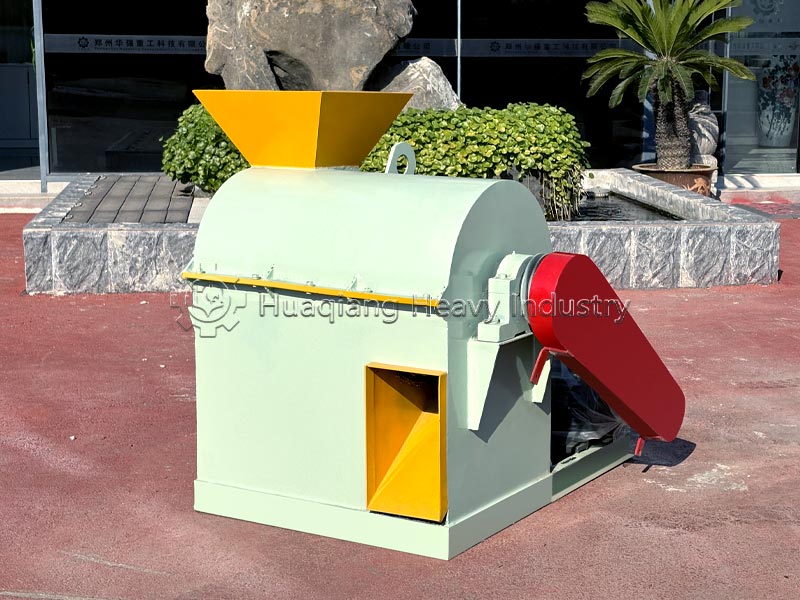
Core Equipment Combination: Solid-Liquid Separator (extrudes 40% water, reducing cow manure volume by half) → Tracked Compost Turner or Chain Plate Compost Turner (particularly suitable for long stacks, capable of cutting long fibers) → Semi-Wet Material Crusher (crushes dry cow manure blocks to <1mm) → Roller Extrusion Granulator (no heating required, directly presses and granulates).
Technical Advantages: Cow manure composting equipment emphasizes “high aeration” because cow manure is fibrous and prone to compaction. Windrow fermentation is recommended, combined with a self-propelled turning machine that ventilates for 5-8 minutes per hour, allowing the pile temperature to rise above 55℃ within 3 days. The final cow manure organic fertilizer produced has a loose texture, suitable for improving compacted soil.
III. Pig Manure Granulator: Breakthrough in Granulating Highly Viscous Raw Materials Pig manure falls between chicken and cow manure: it has a moderate nitrogen content but high fat and protein content, making it extremely prone to sticking. Ordinary granulators may experience problems such as mold clogging and uneven particle size.
Dedicated Pig Manure Granulator: A rotary drum granulator (with an internal steam or spray system to soften the viscous material) or a flat die extrusion granulator (with a conical die design for low discharge resistance) is recommended. Before granulation, the pig manure must be fully fermented (no foul odor, dark brown color); otherwise, undecomposed fat will clog the die.
Key Pre-treatment Steps: After solid-liquid separation, pig manure needs to be piled in a fermentation tank for at least 25 days, turning it over every 3 days. The moisture content before entering the granulator must be strictly controlled at around 35%, and 10% humic acid powder should be added to effectively solve the problem of sticking to the tank walls.
Fertilizer Production Process and Organic Fertilizer Equipment Integration
Regardless of the type of manure, the complete organic fertilizer production process follows a six-step method: “pre-treatment → fermentation → crushing → granulation → screening → packaging”. A complete set of organic fertilizer equipment includes: a dewatering machine, a turning machine (trough type/tracked/chain plate), a crusher, a granulator (disc/drum/extrusion/double roller), a drying and cooling machine (optional), a grading screen, and a packaging scale.
It is worth noting that modern production lines generally adopt modular designs, allowing farms to flexibly combine equipment according to the type of manure and their budget. For example, the granulation step can be omitted if only powdered organic fertilizer is produced; in rainy southern regions, a dryer needs to be added. When selecting equipment, it is essential to confirm the material (parts in contact with materials should be 304 stainless steel) and the walking system of the turner (hydraulic drive is superior to electric drive) to cope with high humidity and highly corrosive environments.
From Waste Burden to Value-Driven Fertilizer Assets
The successful conversion of livestock waste into premium organic fertilizer hinges on a meticulously engineered production ecosystem rather than isolated machinery. A comprehensive organic fertilizer granulator series—encompassing disc, drum, and extrusion configurations—ensures that operators can match granulation modalities precisely to the rheological properties of chicken, cow, or pig manure, thereby eliminating common bottlenecks such as die clogging and uneven particle formation. Deploying a robust organic fertilizer machine lineup, from dewatering units to precision granulator machine for organic fertilizer, establishes the technical foundation for consistent product quality and regulatory compliance. When evaluating organic fertilizer equipment price, stakeholders should adopt a total-cost-of-ownership perspective, recognizing that corrosion-resistant 304 stainless steel construction and hydraulic drive systems, while incurring higher initial capital outlay, substantially reduce maintenance frequency and extend operational lifespan in high-humidity, corrosive environments. For enterprises scaling toward commercial viability, establishing a full-scale organic fertilizer manufacturing plant with modular process architecture allows seamless adaptation to regional climatic variations—such as integrating a fertilizer drying and cooling machine in high-rainfall zones to stabilize moisture content prior to packaging. At the front end, a versatile Animal manure processing machine suite—including solid-liquid separators and specialized chicken manure fertilizer machine configurations with two-stage fermentation protocols—transforms what was once an environmental liability into a circular-economy asset. Ultimately, by aligning raw material analytics with equipment selection and process optimization, livestock operations can achieve dual objectives of environmental stewardship and sustained profitability in the rapidly expanding organic fertilizer market.
Chicken manure, cow manure, and pig manure each have their own characteristics, and the corresponding treatment equipment and process parameters are also different. By mastering the logic of “raw material analysis → equipment matching → process optimization,” livestock and poultry manure is no longer a burden, but an underestimated treasure trove of organic fertilizer.
Our company provides a full range of livestock and poultry manure treatment equipment, from dewatering and turning to granulation and screening. We can match process solutions one-to-one according to your raw material characteristics, allowing you to easily achieve environmental compliance and fertilizer value-added—welcome to call or leave a message.