
Three Essential Elements of Organic Fertilizer Fermentation: Precise Balance of C/N Ratio, Moisture, and Oxygen
The essence of organic fertilizer fermentation is the decomposition of organic matter by aerobic microorganisms. The C/N ratio, moisture content, and oxygen supply are the three most critical physicochemical parameters, interconnected and indispensable. Mastering their optimal ranges, mechanical intervention methods, and sensory judgment techniques is fundamental to producing high-quality organic fertilizer.
C/N Ratio (C/N): Energy and Protein Balance for Microorganisms
Optimal Range: 25:1 to 35:1. Carbon provides energy for microorganisms, while nitrogen is used to synthesize cellular proteins. If the C/N ratio is too high (>40:1), microorganisms grow slowly due to nitrogen deficiency, prolonging the fermentation cycle; if the C/N ratio is too low (<20:1), excess nitrogen will volatilize as ammonia, causing nutrient loss and producing a foul odor.
Mechanical intervention: Use a horizontal or vertical mixer to uniformly mix carbon-rich materials (straw, rice husks, sawdust, C/N 60-100:1) with nitrogen-rich materials (chicken manure, pig manure, soybean meal, C/N 10-15:1) in a specific ratio. A belt weigher is recommended for automatic mixing. If the C/N ratio is too high, add urea (5-10 kg per ton of material) or well-rotted manure to adjust it; if the C/N ratio is too low, add high-carbon additives.
Sensory judgment criteria: For compost with a suitable C/N ratio, after 3-5 days of fermentation, the compost pile will emit a faint ammonia smell rather than a pungent odor; the material should be elastic, loose, and not sticky to the touch. A strong, pungent ammonia smell indicates a low C/N ratio; if the temperature rises very slowly and the material is almost odorless, the C/N ratio is too high.
Moisture: The medium for dissolving nutrients and transferring heat. Optimal range: 50%-60%. When moisture content is below 40%, microbial activity is inhibited, and fermentation stops; above 65%, the pores are filled with water, leading to anaerobic digestion, producing odors such as hydrogen sulfide, and making it difficult for the pile to heat up.
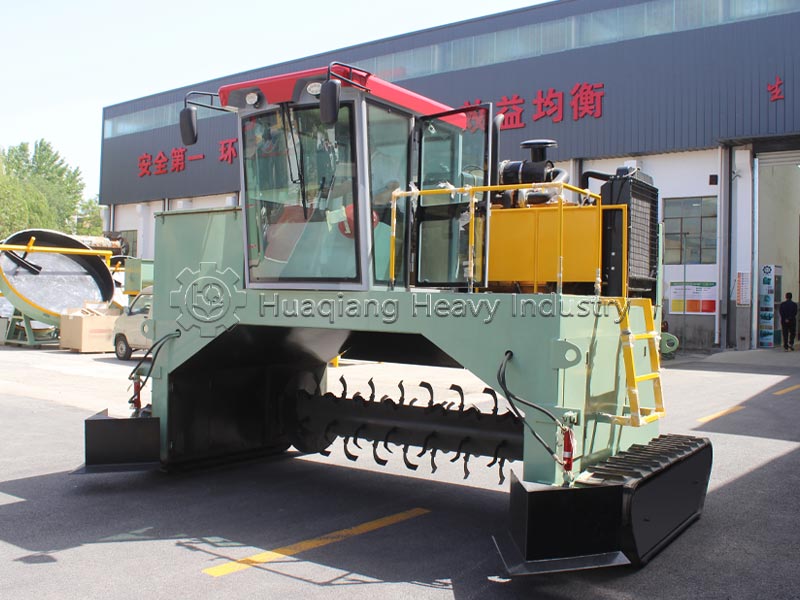
Mechanical intervention: Use a solid-liquid separator to pre-treat high-moisture raw materials (such as fresh cow manure with a moisture content above 85%), reducing the moisture content to below 65%. Use a turning machine in conjunction with a spray system during piling to evenly replenish moisture (spraying water) during the turning process. For excessively wet materials, forced ventilation can accelerate moisture loss, or 20%-30% dry auxiliary materials (sawdust, straw powder) can be added.
Sensory judgment criteria: Grab a handful of material and squeeze it tightly. If water seeps out between your fingers but does not drip (moisture content approximately 55%-60%), it is suitable; if the water flows in a stream (>65%), it is too wet; if it cannot be clumped together and your palm is dry (<40%), it is too dry.
III. Oxygen Balance: The Driving Force of Aerobic Fermentation
Optimal Range: The oxygen concentration inside the pile should be maintained between 5% and 15% (volume fraction). Below 5%, anaerobic bacteria dominate, producing harmful gases; above 15%, while harmless, excessive ventilation will remove heat and moisture, causing a drop in pile temperature.
Mechanical Intervention: Different equipment is selected based on the fermentation stage:
Windlass Fermentation: Use a tracked or chain-plate turner, turning the pile every 2-3 days to ensure sufficient contact between the material and air.
Trench Fermentation: Pre-embedded ventilation ducts + high-pressure blowers, using intermittent ventilation (5 minutes on, 30 minutes off), combined with a trench turner, turning the pile 1-2 times daily.
Oxygen Concentration Monitoring: A portable oxygen detector can be configured, inserted 30cm deep into the pile for reading.
Sensory evaluation criteria: A well-oxygenated compost pile should have no obvious odor and a temperature between 55-70℃ (hot to the touch but tolerable). If the pile smells like rotten eggs, the temperature is below 40℃, and white mycelium forms on the surface, it indicates insufficient oxygen supply and the pile should be turned immediately.
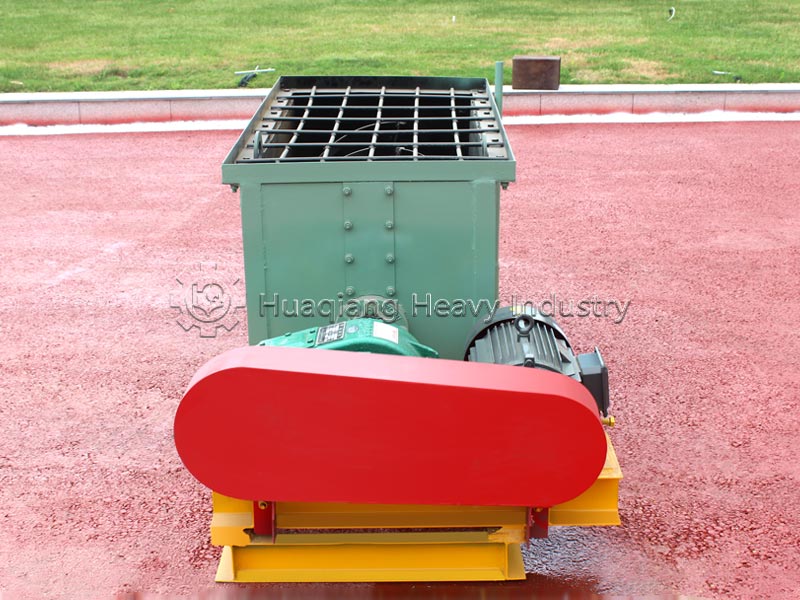
Mastering the precise balance of C/N ratio, moisture, and oxygen is the biological foundation of any successful organic fertilizer plant, but turning mature, odorless compost into market-ready granules requires the right mechanical backbone. After the fermentation phase, the decomposed material enters an organic fertilizer manufacturing plant where an Animal manure processing machine (such as a dewatering or mixing unit) refines the feedstock, followed by a dedicated chicken manure fertilizer machine for homogenizing high‑nitrogen raw materials. The core transformation happens in the granulator machine for organic fertilizer – whether a new‑type wet granulator or stirring‑tooth granulator – which converts the fluffy, bio‑active compost into uniform, spherical granules. Finally, a fertilizer drying and cooling machine reduces moisture to safe levels (≤15%) and stabilizes particle strength, preventing caking during storage. In other words, the three fermentation elements create the “soul” of organic fertilizer, while the complete suite of organic fertilizer machine systems – from preprocessing to granulation and drying – gives it the “body” ready for spreading, bagging, and transport. By integrating these technologies, producers can achieve consistent high‑quality output, lower energy costs, and full compliance with organic standards, turning well‑fermented manure into premium, profitable fertilizer.
Summary: The C/N ratio, moisture, and oxygen are interconnected in organic fertilizer fermentation. Remember the rule of thumb: “25-35 C/N ratio, 50-60 water, turn and ventilate to retain oxygen.” Combined with precise mechanical intervention and simple sensory evaluation, even small to medium-sized organic fertilizer plants can achieve stable, rapid, and odorless fermentation.