
Key Parameters Guide for Ring Die Pellet Machine vs. Flat Die Pellet Machine
The fertilizer granultor choice between ring die pellet machine and flat die pellet machine is not a simple “either/or” decision, but a complex interplay of parameters related to material properties, production capacity targets, and operating costs. Equipment efficiency is determined not merely by the model itself, but by the core parameters underlying its technical specifications and how they interact. Understanding the physical significance and governing logic of these parameters is the true starting point for a scientific selection process.
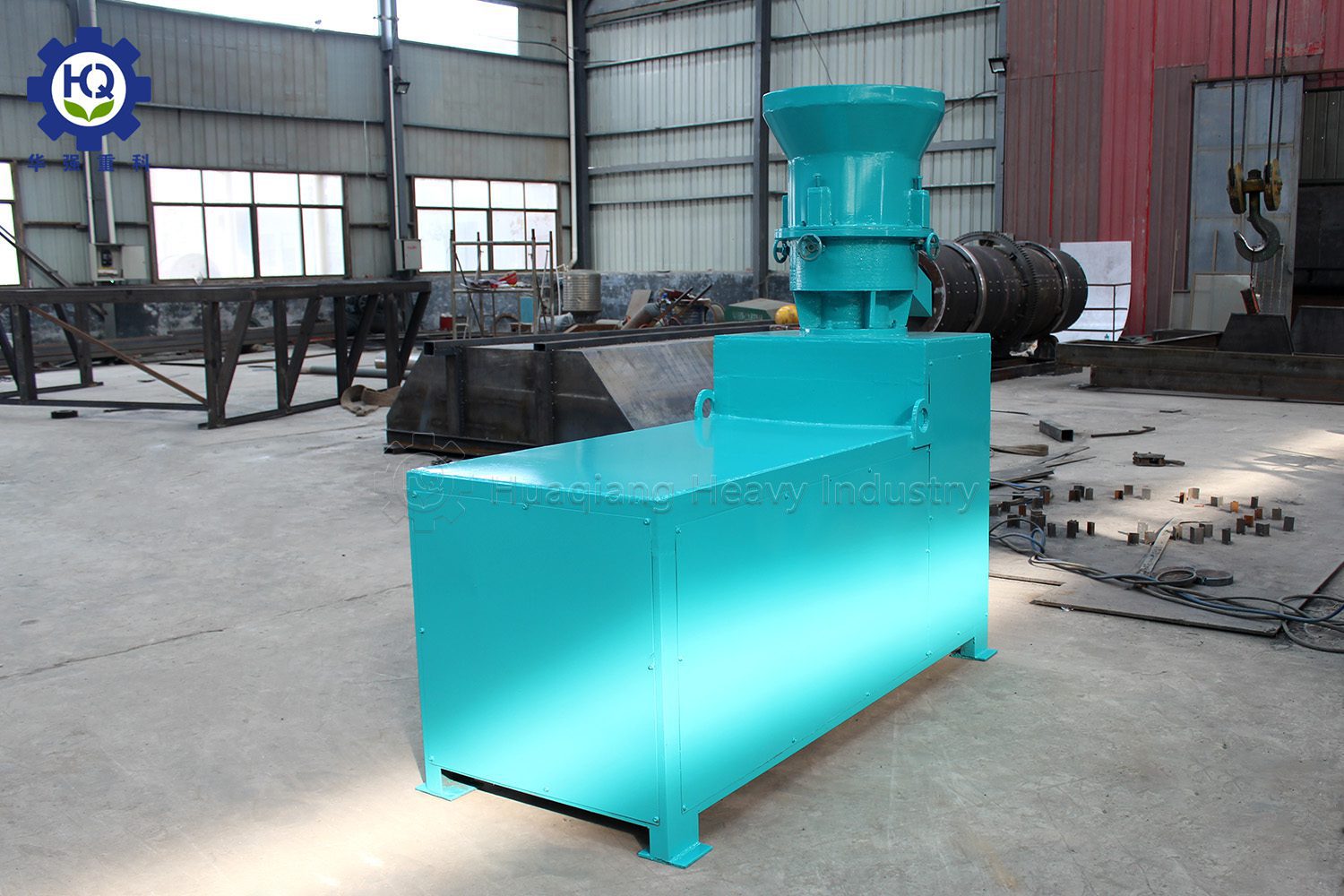
There are structural differences in feeding methods and pressure systems between the two. Ring-die pellet mills employ mechanical forced feeding, where material is distributed into the granulation chamber by scrapers under the influence of high-speed centrifugal force; a drawback of this method is relatively uneven feeding. In contrast, flat-die pellet mills rely on gravity to feed material vertically into the compression chamber, allowing for uniform feeding. Even more critical is the difference in pressure systems: for a given die diameter, the diameter of a ring-die roller is constrained by the die’s inner diameter, limiting the range of pressure adjustment. Flat-die rollers face no such constraint; they can utilize a central threaded adjustment mechanism to generate hundreds of tons of downward force, ensuring uniform pressure and flexible adjustment. Consequently, flat-die mills possess an inherent structural advantage in pressure output when handling coarse-fiber materials—such as sawdust or straw—that have low bulk density and are difficult to pelletize.
Ultimately, there is no absolute superiority between ring-die and flat-die mills; it is a matter of suitability. Ring-die pellet mills excel in high production capacity, high pellet density, and continuous operational stability, making them the preferred choice for large-scale production. Flat-die pellet mills, characterized by simple construction, flexible investment options, and strong adaptability to coarse-fiber materials, occupy an irreplaceable niche in scenarios requiring lower production capacities or frequent product switching. The essence of selection lies in understanding the physical implications of key parameters and applying them to one’s specific raw material characteristics, production goals, and cost constraints to find the “least imperfect” balance—this represents the most fundamental yet profound wisdom in engineering equipment selection.