
A Comprehensive Analysis of Environmental Compliance Upgrades for Organic Fertilizer Production Lines: Seizing Development Opportunities Amid Tightening Policies
The continuous tightening of global environmental policies is profoundly reshaping the competitive landscape of the organic fertilizer industry. From the strict enforcement of China’s national standard GB 18595-2019 to the stringent requirements of EU CE certification, environmental indicators such as odor emissions, solid waste treatment, and energy consumption have become key factors determining the survival and development of enterprises. Faced with this trend, organic fertilizer producers must proactively adapt and achieve comprehensive compliance in their production processes through technological upgrades.
Odor Control: A Comprehensive Solution from Source to End Odor gas emissions are the most concerning environmental issue in organic fertilizer production. Huaqiang Heavy Industry’s “Full-Process Closed-Loop Odor Control System” effectively solves this problem through the synergistic effect of source control, process collection, and end-of-pipe purification. The fermentation workshop adopts a fully enclosed design and is equipped with a negative pressure ventilation system to ensure that all odor gases are effectively collected during the generation stage, eliminating fugitive emissions.
In the end-of-pipe treatment stage, the system employs a three-stage purification process: first, soluble gases and particulate matter are removed through spray washing; then, organic pollutants are treated by activated carbon adsorption; and finally, residual odor components are degraded through a biological filter. This combined process can control ammonia concentration to below 10 mg/m³ and hydrogen sulfide concentration to below 0.5 mg/m³, achieving a deodorization efficiency of over 95%, fully meeting the most stringent environmental standards.
Solid Waste Resource Utilization and Wastewater Recycling Solid waste generated during organic fertilizer production mainly includes screening residues and substandard particles. Traditional treatment methods often result in resource waste and environmental pollution. Modern environmentally friendly production lines integrate a crushing and return system to these solid wastes, reprocessing them and returning them to the production line, achieving a resource utilization rate of over 98%. This not only reduces solid waste disposal costs but also improves raw material utilization, creating additional economic benefits.
Regarding water resource management, the “zero-discharge” water treatment system achieves complete recycling of production wastewater. Equipment cleaning wastewater, after sedimentation, filtration, and biochemical treatment, meets the standards for raw material conditioning water and is reused in the production process. This system not only saves a significant amount of fresh water but also completely eliminates the environmental risks associated with wastewater discharge, meeting the most stringent environmental protection requirements.
Energy Optimization and Comprehensive Energy Utilization
Energy consumption is a crucial indicator for environmental assessment. The new generation organic fertilizer production line achieves significant energy savings through multifaceted technological innovation. All core equipment utilizes high-efficiency energy-saving motors, reducing energy consumption by 15%-20% compared to traditional equipment. The waste heat recovery device in the drying system utilizes the heat energy of high-temperature waste gas for raw material preheating; this innovative design reduces overall system energy consumption by over 30%.
In terms of process design, the production line reduces energy loss in material handling by optimizing equipment layout and process flow. The intelligent control system automatically adjusts equipment operation based on production load, avoiding energy waste. These energy-saving measures not only reduce production costs but also ensure the production line fully complies with national energy conservation policies.
International Certification and Global Market Access
Environmental compliance is not only a requirement for domestic production but also a passport to the international market. Huaqiang Heavy Industry’s production line has passed ISO14001 environmental management system certification, and the equipment design and manufacturing process strictly adheres to international environmental standards. For exported equipment, the company provides comprehensive certification support services, helping clients quickly obtain international certifications such as CE and FDA, clearing obstacles for products entering high-end markets like Europe and the United States.
Environmental Upgrade Solutions for Existing Production Lines
For existing production lines, environmental upgrades are equally important. Huaqiang Heavy Industry provides targeted upgrade solutions, helping existing production lines meet new environmental standards by adding deodorization equipment, optimizing process parameters, and upgrading control systems. This type of upgrade requires relatively small investment but effectively avoids the risk of penalties due to non-compliance with environmental standards, protecting the company’s normal production and operation.
Technological Development Trends and Strategic Recommendations
With the continuous advancement of environmental technologies, environmental standards for organic fertilizer production will continue to rise. In the future, innovative technologies such as intelligent monitoring systems, new biological deodorization technologies, and high-efficiency energy recovery devices will further promote the green development of the industry. It is recommended that companies maintain technological sensitivity, regularly assess the environmental performance of their production lines, and upgrade their technologies in a timely manner.
More importantly, environmental compliance should not be viewed as a simple cost expenditure, but rather as a strategic investment to enhance the company’s competitiveness. The application of advanced environmental protection technologies not only helps enterprises avoid policy risks but also reduces production costs through resource recycling, enhances brand image through green production, and ultimately gains a competitive edge in the increasingly fierce market competition.
In today’s increasingly stringent environmental policies, proactively embracing environmental technology upgrades and achieving full compliance in the production process has become an essential path for the sustainable development of organic fertilizer enterprises. Through scientific planning and technological innovation, enterprises can fully meet environmental requirements while achieving a dual improvement in economic and environmental benefits.
Efficient and Compliant Organic Fertilizer Granulation
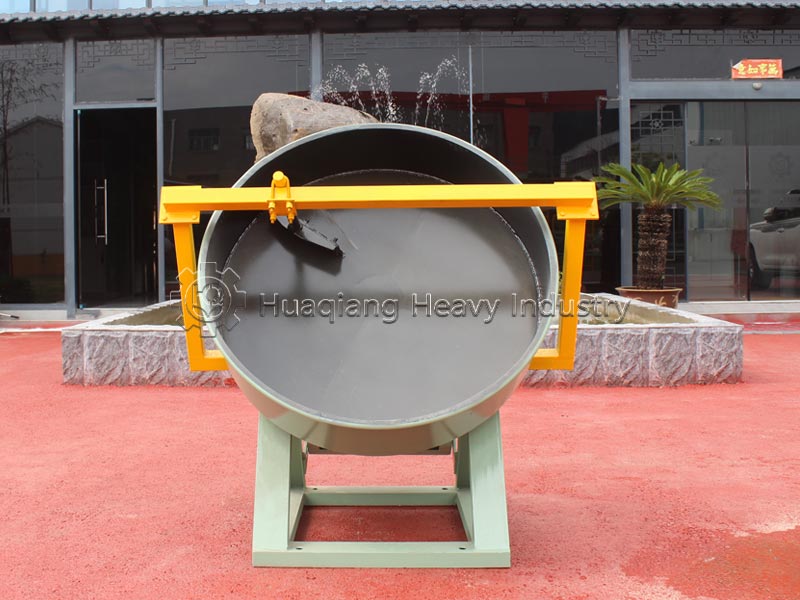
Following environmentally optimized preprocessing with equipment like the chain compost turning machine, the stage of organic fertilizer production granulation is critical for creating a marketable product. Modern, compliant facilities often integrate this stage into a comprehensive organic fertilizer manufacturing system. For operations focused on spherical granules, a fully enclosed organic fertilizer disc granulation production line, centered on a high-efficiency organic fertilizer disc granulation machine, is a preferred choice for its dust control and consistent output. To enhance flexibility and material adaptability, some systems employ an organic fertilizer combined granulation production line, which might integrate a new type two in one organic fertilizer granulator (for combined crushing and shaping) alongside a disc granulator. This allows for processing a wider variety of fermented materials into high-quality pellets while maintaining the enclosed, energy-efficient design principles necessary for meeting stringent environmental standards and minimizing the operation’s overall ecological footprint.