
Bio-organic Fertilizer: Feeding the Soil, Not Just the Crop
The Problem That Became Gold
Let me introduce you to a farmer I’ll call James. Three years ago, his twenty-thousand-bird layer operation was drowning in manure. Neighbors complained. Regulators circled. He spent sleepless nights wondering if he’d have to shut down the business his grandfather started.
Today, James smiles when he talks about manure. “It’s my retirement fund,” he told me, gesturing at pallets of bagged organic fertilizer ready for shipment. “I sell more of this stuff than eggs some months.”
What changed? He built a production line. Not just any line—a carefully designed system that transforms raw waste into premium bio-organic fertilizer with industrial efficiency.
Finishing Touches
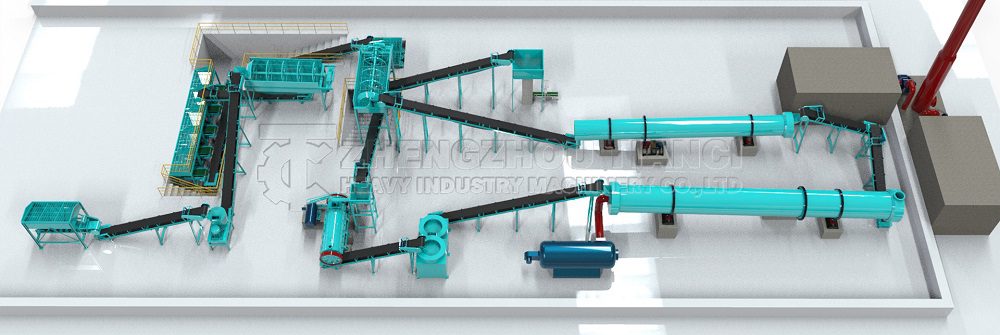
Fresh granules are too moist for bagging. A drum fertilizer dryer reduces moisture to the ideal level—usually somewhere around ten to fifteen percent, depending on your market. Then a rotary cooler brings them to ambient temperature so they won’t sweat in the bag.
Another screening separates any remaining off-size granules. Oversize gets crushed and recycled. Undersize goes back for another pass through the disc granulator.
A coating machine can apply a protective layer—preventing caking, enhancing appearance, sometimes adding another dose of beneficial microbes. This step is optional but recommended for premium markets.
Finally, an automatic packaging scale fills bags with robotic precision. Five kilograms, twenty kilograms, fifty kilograms—whatever the customer wants. The bags are palletized, wrapped, and ready for shipment.
The Supporting Cast
No production line runs on its stars alone. Conveyors move material between stages. Storage silos hold finished product. Dust collection systems keep the air clean and recover valuable fines. Control panels let one operator monitor the entire line from a single room.
And behind it all, a quality control lab tests samples throughout the process—checking moisture, pH, nutrient content, microbial activity. Every batch gets certified before it ships.
Why This Matters
I’ve visited facilities running every variation of this line. A poultry operation in the Ozarks with twelve troughs and a single chain turner. A dairy in California’s Central Valley with a wheel turner processing windrows that stretch half a mile. A municipal facility in the Pacific Northwest handling food waste from a million homes.
Each operation is different, but they share one thing: they’ve turned a problem into a profit center. They don’t dread the waste anymore. They welcome it. It’s raw material for their factory.
And here’s the thing—this isn’t just about making money. It’s about closing the loop. Returning organic matter to soils that have been starved of it for decades. Reducing reliance on synthetic fertilizers that deplete soil life. Keeping nutrients on the land instead of washing into rivers and streams.
The Bottom Line
A bio-organic fertilizer production line isn’t cheap. It requires capital, planning, and commitment. But for operations with the volume to justify it, the returns can be remarkable.
You’re not just disposing of waste. You’re creating value. You’re producing something farmers genuinely need and will pay for. And you’re doing right by the environment in the process.
The exact configuration of your line will depend on your specific materials, your space, your budget, your markets. But the principles are universal: pre-treat, ferment, process, granulate, package. Get each phase right, and the material flows like a river from waste to wealth.